
Table of Contents
- Why Cold Temperatures Reduce Hand Dexterity
- How to Keep Hands Warm Without Losing Dexterity
- Best Gloves for Finger Dexterity in Cold Weather
- Glove Layering for Extreme Cold
- Heated Gloves for Cold Weather: A Practical Solution
- Warming Hands and Restoring Sensation
- Task-Specific Strategies for Maintaining Hand Function
- Frequently Asked Questions
Last Updated: October 18, 2026
Why Cold Temperatures Reduce Hand Dexterity
When temperatures drop, your hands stop working properly. This isn't just discomfort, it's physics. Cold temperatures reduce hand dexterity by narrowing blood vessels in your fingers and hands.
Cold also thickens the fluid inside your joints. This makes movement stiff and painful. For people with Raynaud's syndrome or arthritis, the effect is even worse. Blood vessels constrict so severely that fingers turn white or blue. Sensation fades completely.
Maintaining hand dexterity in freezing temperatures requires understanding this process. When your hands are cold, your nervous system slows down. Nerve impulses travel more slowly through cold tissue. This is why your fingers feel clumsy and unresponsive.
Research shows that manual dexterity drops significantly below 15°C. At freezing point (0°C), most people lose 50% of their normal grip strength. Below -10°C, fine motor control becomes nearly impossible without protection.
How to Keep Hands Warm Without Losing Dexterity
The challenge with maintaining hand dexterity in freezing temperatures is finding gloves that insulate without restricting movement. Thick, puffy gloves keep you warm but make your hands feel like oven mitts. You can't hold tools, grip handlebars, or operate machinery. Thin gloves let you move freely but offer almost no warmth.
The solution lies in balancing three factors: insulation, fit, and material choice.
Choosing the Right Glove Fit and Material
Glove fit is everything. A loose glove traps air gaps that let cold seep in. A tight glove cuts off circulation and makes numbness worse. You need a snug fit that hugs your hand without squeezing.
Look for gloves made from modern synthetic materials rather than traditional wool. Materials like neoprene, fleece-lined polyester, and breathable technical fabrics offer better insulation-to-weight ratios. They also dry faster if your hands get wet. Wet hands lose heat 25 times faster than dry hands, so moisture management is critical.
The best materials for maintaining hand dexterity in freezing temperatures share these properties:
- Stretch fabric that moves with your fingers
- Breathable construction to prevent sweat buildup
- Water-resistant or waterproof outer layer
- Thin insulation that doesn't add bulk
- Touchscreen-compatible fingertips for phone use
Check the palm and finger areas especially. These need maximum dexterity. Some gloves use reinforced silicone grips on the palm for better tool handling. This matters if you're working with machinery or climbing equipment.
Balancing Insulation with Movement
Adding insulation always reduces movement. The trick is finding the minimum insulation you need for your specific conditions and activity level.
For light outdoor activities in mild cold (above -5°C), you might need only a thin liner glove plus a wind-blocking outer layer. For extreme cold work (-20°C or lower), you'll need thicker insulation but should still prioritize gloves designed for dexterity rather than maximum warmth.
Consider heated gloves if you work in extreme cold. They provide warmth without bulk, letting your hands stay warm and functional at the same time. The heating elements sit against your palm and fingers, delivering targeted warmth exactly where you need it.

Best Gloves for Finger Dexterity in Cold Weather
When maintaining hand dexterity in freezing temperatures, your glove choice makes or breaks your performance. Different activities need different gloves.
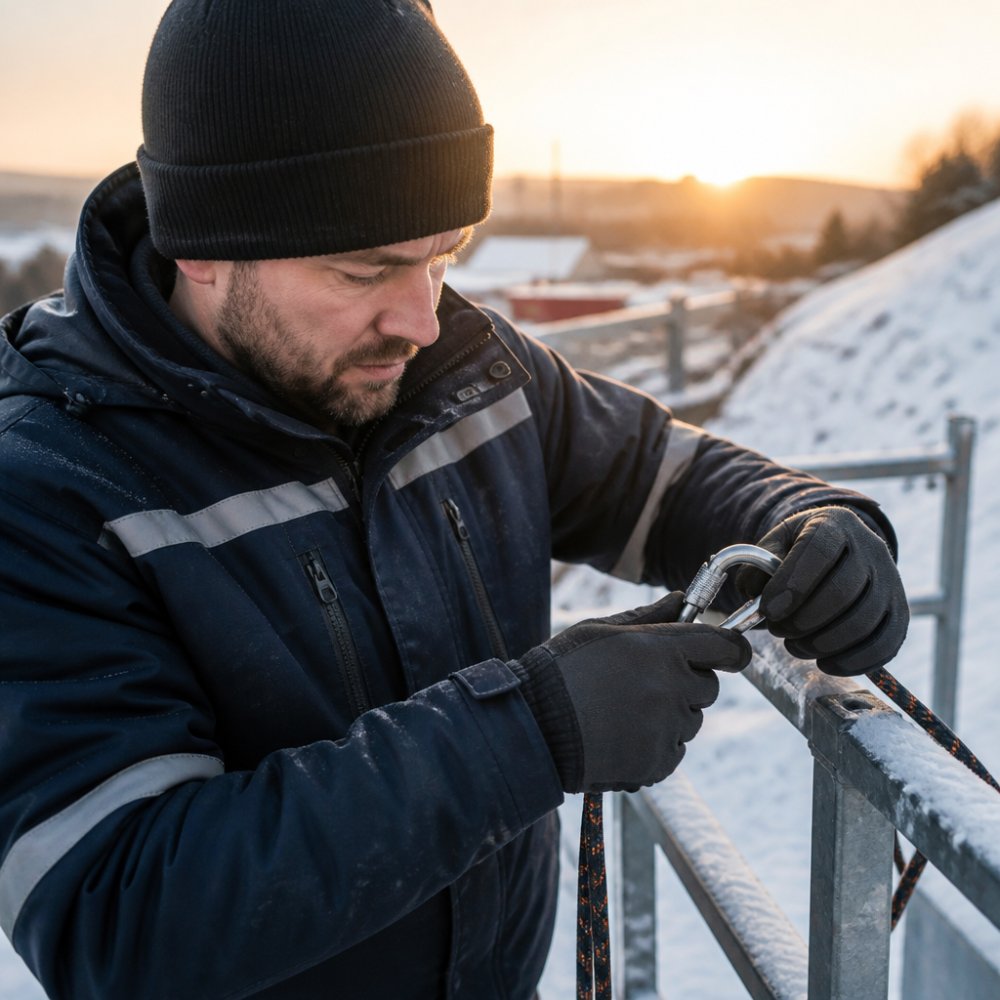
For outdoor sports and cycling, look for gloves with reinforced knuckles and palm grip. You need secure control of handlebars or equipment.
For machinery operation or detailed outdoor work, you need maximum tactile feedback. Gloves with thin, sensitive fingertips let you feel what you're holding.
For commuting and urban outdoor activities, touchscreen-compatible gloves are essential.
For extreme cold work in places like cold storage facilities or maritime environments, heated gloves offer the best combination of warmth and dexterity.
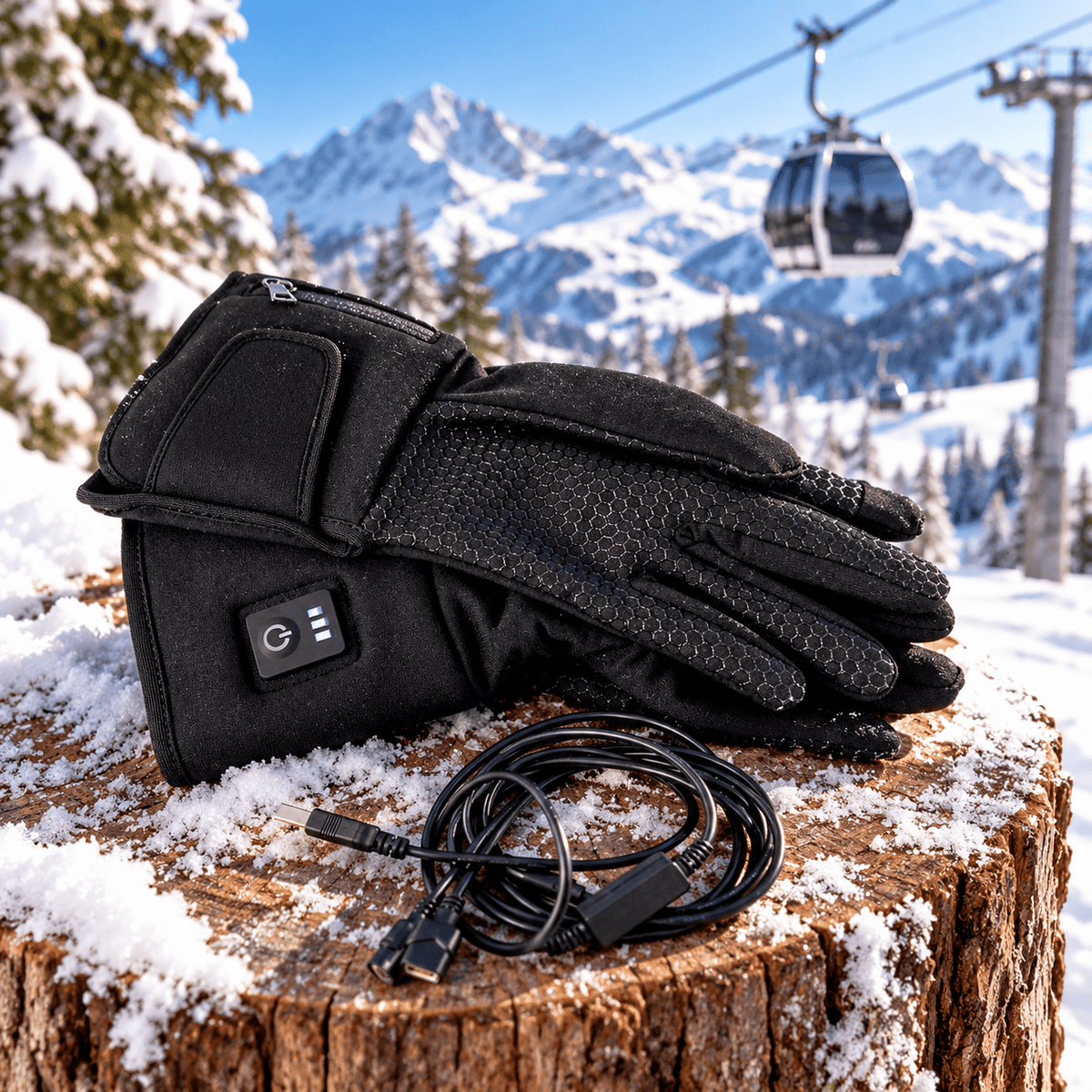
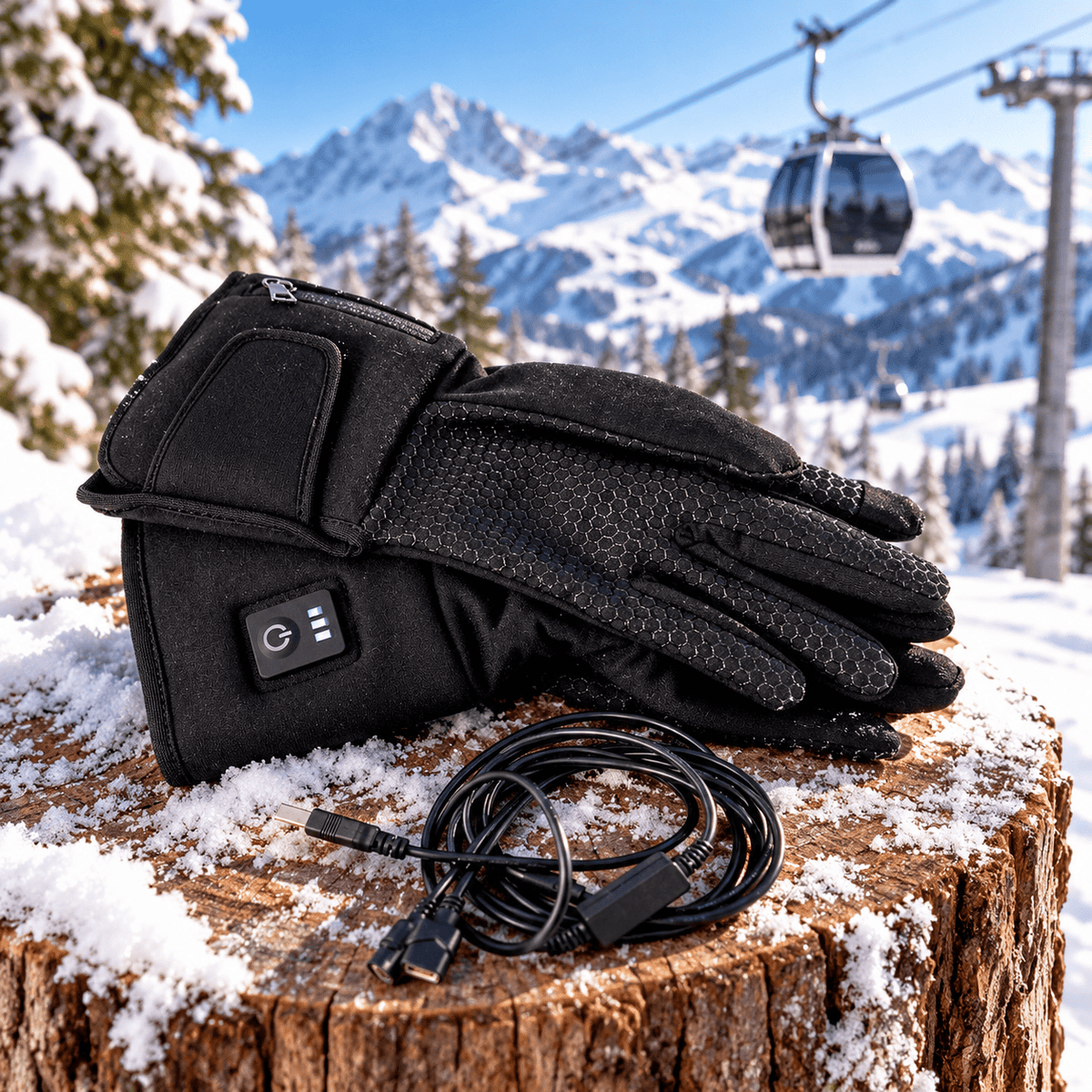
The gloves feature three adjustable heat settings so you can dial in exactly the warmth you need.
These gloves have been field-tested by trawlermen working in the North Sea in extreme cold and wet conditions with outstanding results.
Glove Layering for Extreme Cold
When temperatures drop below -15°C, single gloves rarely provide enough insulation. Layering becomes necessary. The key is using thin, breathable layers rather than one thick glove.
Three-Layer System for Maximum Protection
Start with a thin inner glove. This layer should be moisture-wicking and stretchy. Merino wool or synthetic thermal liners work well. This layer keeps sweat away from your skin and provides minimal insulation.
Add a middle insulation layer. This is where your real warmth comes from. Fleece-lined gloves or thin thermal gloves work here. This layer should still allow finger movement. Avoid anything too bulky.
Top it with a windproof outer shell. This layer blocks cold air and moisture. It doesn't need much insulation because the layers below provide that. The outer shell just needs to be water-resistant and wind-resistant.
This three-layer approach lets you adjust warmth by adding or removing layers. It also prevents the "oven mitt" problem where one thick glove makes your hands useless.
When to Add Extra Layers
You need extra layers when:
- Temperature drops below -20°C
- Wind speed exceeds 30 km/h (wind chill matters more than actual temperature)
- You'll be outside for more than 30 minutes without moving
- You have Raynaud's syndrome or poor circulation
- You're working in wet conditions where moisture drains heat rapidly
For maintaining hand dexterity in freezing temperatures during extreme conditions, heated gloves eliminate the need for excessive layering. One pair of heated gloves provides more warmth than three layers of passive insulation, while using less bulk and preserving more dexterity.
Heated Gloves for Cold Weather: A Practical Solution
Heated gloves represent the modern approach to maintaining hand dexterity in freezing temperatures.
How do they work? Battery-powered heating elements warm your palms and fingers. Most heated gloves offer three heat settings.
Mind Smart Rechargeable Heated Gloves →
The advantage over passive insulation is clear: you get serious warmth without the bulk.
For people with Raynaud's syndrome or arthritis, heated gloves provide effective relief. They keep blood vessels dilated and hands functional.
For outdoor professionals working in extreme cold, heated gloves are often the difference between a productive shift and a dangerous one.
The Mind Smart Rechargeable Heated Gloves are proven effective in temperatures down to -38C. The heating area covers your full hand and fingertips.
These gloves are touchscreen-compatible, so you can use your phone without removing them.
Battery life depends on heat setting and ambient temperature. In extreme cold, even the highest setting might last 6-8 hours.
Warming Hands and Restoring Sensation
If your hands are already cold, you need to warm them safely. Rapid rewarming can cause tissue damage. Slow, gentle warming is always better.
Safe Warm-Up Techniques
Start by moving to a warmer environment if possible. Even a few minutes indoors makes a difference. Remove wet gloves immediately. Moisture accelerates heat loss.
Gently swing your arms in circles. This uses centrifugal force to push blood back into your fingers. Do this slowly at first.
Tuck your hands under your armpits. Your core body heat will warm them gradually. This is slower than active rewarming but very safe.
Soak your hands in warm (not hot) water if available. Water temperature should be around 40°C. Hot water can burn numb skin because you can't feel the temperature properly.
Avoid rubbing your hands. This can damage skin that's already stressed by cold. Gentle massage is fine, but rough rubbing causes problems.
Avoid sudden heat. Don't put cold hands directly on a heater or in hot water. The temperature shock can cause pain and tissue damage.
Recognising Cold Injury Warning Signs
Know the difference between normal cold exposure and actual cold injury. Normal cold causes numbness and tingling as you rewarm. This is uncomfortable but not dangerous.
Cold injury is more serious. Watch for these warning signs:
- Skin turns white and stays white even after rewarming
- Blistering or swelling develops after rewarming
- Skin turns black or dark purple
- Severe pain that doesn't improve with gentle rewarming
- Loss of sensation that doesn't return after 30 minutes of warming
These signs indicate frostbite or other cold injury. Get medical attention immediately. Cold injury can cause permanent tissue damage.
Frostbite develops in stages. Frostnip is the mildest form, your skin turns pale but recovers quickly. Superficial frostbite causes blistering and skin damage. Deep frostbite damages muscle and bone. Prevention is far better than treatment.
Task-Specific Strategies for Maintaining Hand Function
Different activities require different approaches to maintaining hand dexterity in freezing temperatures.
For precision work like assembly or repair, you need maximum tactile feedback. Thin gloves with conductive fingertips let you feel what you're handling. Take frequent breaks to warm your hands.
For machinery operation, grip strength matters more than fine touch. Gloves with reinforced palms and silicone grips help you maintain control. Heated gloves are ideal here because they keep your hands warm without reducing grip.
For outdoor sports, you need gloves that don't interfere with your specific activity. Cyclists need gloves that work with brake levers. Climbers need gloves that don't reduce grip on rock.
For commuting and urban activities, touchscreen compatibility is essential. Modern gloves handle this well. Test them before buying to make sure they actually work with your phone.
For people with Raynaud's syndrome or arthritis, maintaining hand dexterity in freezing temperatures is a medical issue. Heated gloves combined with proper layering give the best results. Avoid triggers like stress and sudden temperature changes.
Frequently Asked Questions
How can I maintain hand dexterity in freezing temperatures while working outdoors?
The key is combining proper insulation with gloves that don't restrict movement. Choose slim-fitting gloves designed for dexterity, use a three-layer system starting with a moisture-wicking base layer, and take regular breaks to restore circulation. Heated gloves like the Mind Smart Rechargeable Heated Gloves provide consistent warmth without bulk, allowing you to maintain grip strength and fine motor control even in temperatures below -35°C. Perform gentle hand exercises every 15-20 minutes to keep blood flowing to your fingertips.
What's the difference between layered gloves and heated gloves for cold weather?
Layered gloves work by trapping air between materials to insulate your hands, but they can feel bulky and limit dexterity. Heated gloves actively generate warmth through battery-powered heating elements, maintaining consistent temperature regardless of outside conditions. For extreme cold or prolonged exposure, heated gloves offer superior performance, they preserve fine motor control better than thick layers and provide up to 8-12 hours of continuous warmth. Layering works well for moderate cold; heated gloves excel when you need both warmth and precision in severe conditions.
How do I know if my hands are at risk of cold injury?
Watch for numbness, tingling, or pain that doesn't improve with gentle rewarming. Early signs include white or waxy skin, loss of sensation, and difficulty moving your fingers. If you experience persistent pain, blistering, or skin discolouration after warming, seek medical attention. Prevention is essential: keep hands dry, avoid prolonged exposure below -10°C without proper protection, and warm your hands indoors if they become numb or painful. Individuals with Raynaud's syndrome or arthritis should be especially cautious, as they're at higher risk of cold-related complications.
Will heated gloves work through touchscreen devices without removing them?
Yes, modern heated gloves like the Mind Smart Rechargeable Heated Gloves are designed with touchscreen-compatible materials, allowing you to use your phone or tablet without removing them. This is particularly useful for commuters and outdoor workers who need to stay connected in cold weather. The touchscreen functionality works through the glove material itself, so you maintain full hand warmth while using your device, no more removing gloves in freezing temperatures to check messages or navigate.
Maintaining hand dexterity in freezing temperatures requires balancing warmth and movement. The right gloves make this possible. Mind Smart Rechargeable Heated Gloves deliver consistent warmth without sacrificing dexterity. With up to 12 hours of heating, three adjustable settings, and proven effectiveness down to -35°C, they're built for serious cold work. Get started with Mind Smart heated gloves and keep your hands warm and functional no matter how brutal the conditions.

Leave a comment
This site is protected by hCaptcha and the hCaptcha Privacy Policy and Terms of Service apply.