
Table of Contents
- What Makes Waterproof Breathable Gloves Essential for Outdoor Work
- Waterproof vs. Water-Resistant Technology: Which You Actually Need
- Thermal Insulation and Cold Weather Ratings Explained
- Grip Technology, Dexterity and the Protection Trade-Off
- Heated Gloves for Motorcycle Winter Riding and Extreme Conditions
- EN 511 Standard Gloves: What the Rating Means for Your Work
- Choosing the Right Waterproof Breathable Gloves for Your Task
- Frequently Asked Questions
Last Updated: September 23, 2026
What Makes Waterproof Breathable Gloves Essential for Outdoor Work
Waterproof breathable gloves for outdoor work solve a problem most people don't realise they have until they're standing in freezing rain with numb fingers. Your hands get wet, the temperature drops, and suddenly you can't grip anything properly. That's when you understand why these gloves matter.

Whether you're working in maritime conditions, handling machinery in cold storage, cycling through winter, or dealing with Raynaud's syndrome, the right pair keeps your hands functional when standard gloves fail. The challenge isn't just staying warm, it's staying warm whilst maintaining the dexterity to actually do your job.
At Mind Smart, we've engineered waterproof breathable gloves specifically for people who can't afford to lose grip strength or manual control. The difference between a glove that works and one that doesn't comes down to three things: how water actually stays out, how your hands breathe without getting clammy, and whether you can still feel what you're doing.
Waterproof vs. Water-Resistant Technology: Which You Actually Need
Water-resistant and waterproof sound similar but work differently in practice. Water-resistant means water beads up on the surface for a while before eventually soaking through. Waterproof means water doesn't penetrate the barrier at all, even under pressure or extended exposure.
For outdoor work, this distinction matters. If you're commuting and encounter occasional rain, water-resistant gloves might suffice. If you're working in maritime conditions, handling wet materials constantly, or operating machinery in cold rain, you need genuinely waterproof protection. Water-resistant gloves fail quickly under sustained moisture, your hands get damp, the insulation stops working, and you lose warmth.
Waterproof barriers work through either laminated membranes or coatings applied to the fabric. A laminated membrane sits between the outer material and the lining, blocking water molecules whilst allowing water vapour to escape. This is why quality waterproof gloves feel lighter than you'd expect, they're not solid rubber, they're engineered fabrics with specific properties.
The real trade-off isn't waterproof versus water-resistant. It's whether you're willing to accept the slight reduction in breathability that comes with genuine waterproofing. A truly waterproof glove will feel marginally less breathable than a water-resistant one because the barrier is more complete. Mind Smart's waterproof breathable gloves address this by using high-performance membranes rated at 10,000mm water column and 10,000g moisture vapour transmission, meaning water stays out whilst sweat vapour escapes effectively.
Thermal Insulation and Cold Weather Ratings Explained
Cold weather ratings tell you the temperature at which a glove maintains its protective function. This isn't the same as "you'll feel warm at this temperature", it's the threshold where insulation actually works as designed.
Most outdoor work gloves carry ratings between -10°C and -20°C. These are fine for winter commuting or occasional outdoor tasks. For serious cold exposure, maritime work, extreme sports, or prolonged outdoor machinery operation, you need gloves rated to -30°C or lower. Mind Smart's heated gloves perform effectively down to -38°C, which covers virtually all conditions you'll encounter in UK winters and most extreme outdoor scenarios.
Insulation works through trapped air. Fleece linings, synthetic fibres, and thermal layers all create pockets of still air that resist heat transfer. The problem is simple: trapped air also traps moisture. This is why breathability matters so much. If your hands sweat and that moisture can't escape, the insulation becomes wet and stops working. You get cold faster in a damp glove than in an uninsulated one.
The most effective approach for extreme cold combines passive insulation with active heat. That's where heated gloves change the equation. Instead of relying entirely on trapped air to maintain warmth, you're adding direct heat to your hands. This solves the moisture problem because your hands don't need to work as hard thermally, they're not fighting to generate enough heat to stay warm, so they produce less sweat.
Grip Technology, Dexterity and the Protection Trade-Off
This is where most glove recommendations fail. They'll tell you that grip and protection are equally important. In reality, they're in direct conflict. A heavily padded glove protects your hand but kills your ability to feel what you're holding. A thin glove gives you dexterity but leaves you vulnerable.
Grip technology typically uses latex, nitrile foam, or silicone coatings on the palm and fingertips. These materials create friction against wet or smooth surfaces. Latex offers excellent grip but degrades in extreme cold. Nitrile foam works in cold conditions and provides some impact cushioning. Silicone is durable and maintains grip across temperature ranges, though it's slightly less tactile than latex.
The dexterity trade-off is real. Every millimetre of padding you add reduces your ability to sense what you're holding. For machinery operation, you need to feel the controls. For climbing or precision work, you need to sense the surface. For commuting and general outdoor work, you can afford slightly more padding.
Mind Smart Rechargeable Waterproof →
Mind Smart's gloves prioritise dexterity by using a slim-fitted design with targeted grip areas rather than padding the entire glove. The heating elements are thin and positioned to avoid interfering with your fingers. This means you maintain full tactile sensitivity whilst getting the warmth you need.
Heated Gloves for Motorcycle Winter Riding and Extreme Conditions
Motorcycle riding in winter demands something standard gloves can't provide: heat that lasts for hours whilst maintaining precise throttle and brake control. Your hands are exposed to wind chill that amplifies cold dramatically. At 30 mph on a 0°C day, wind chill makes it feel like -15°C. At 60 mph, you're experiencing -25°C equivalent temperatures.
Heated gloves solve this by delivering consistent warmth directly to your hands. The best heated gloves for motorcycle use have multiple heat settings so you can adjust based on speed and temperature. Three thermostat settings let you dial in exactly the right amount of heat, full blast on stationary work, medium for moderate riding, low for longer journeys where battery life matters.
The critical specification is battery life. Mind Smart's gloves deliver up to 12 hours of battery life, which means you're not constantly worrying about whether you'll lose heat halfway through your ride or work shift. That's the difference between a tool you trust and one you're always anxious about.
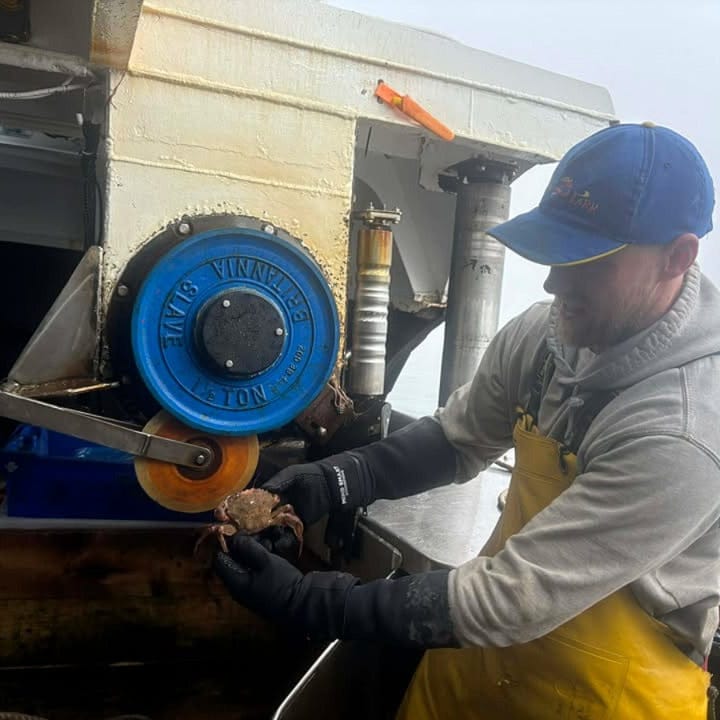
For extreme conditions, trawlermen working in the North Sea, outdoor machinery operators in sub-zero temperatures, winter mountaineers, heated gloves aren't optional. They're the only way to maintain hand function when passive insulation alone can't keep up with heat loss.
EN 511 Standard Gloves: What the Rating Means for Your Work
EN 511 is the European standard for protective gloves against cold. It tests three properties: protection against convective cold (insulation), protection against contact cold (how fast heat transfers through the glove to cold objects), and water penetration resistance.
The rating uses three digits. The first digit (0-4) indicates convective cold protection. A rating of 4 means the glove maintains hand temperature in -20°C conditions. The second digit (0-3) indicates contact cold protection. A 3 means you can touch -35°C objects without rapid heat loss. The third digit (0-1) indicates water resistance. A 1 means the glove resists water penetration.
So an EN 511 (4-3-1) glove offers maximum convective protection, maximum contact cold protection, and water resistance. This is what you want for serious outdoor work in cold, wet conditions.
Most standard winter gloves carry EN 511 (3-2-0) or (2-2-0) ratings.
Choosing the Right Waterproof Breathable Gloves for Your Task
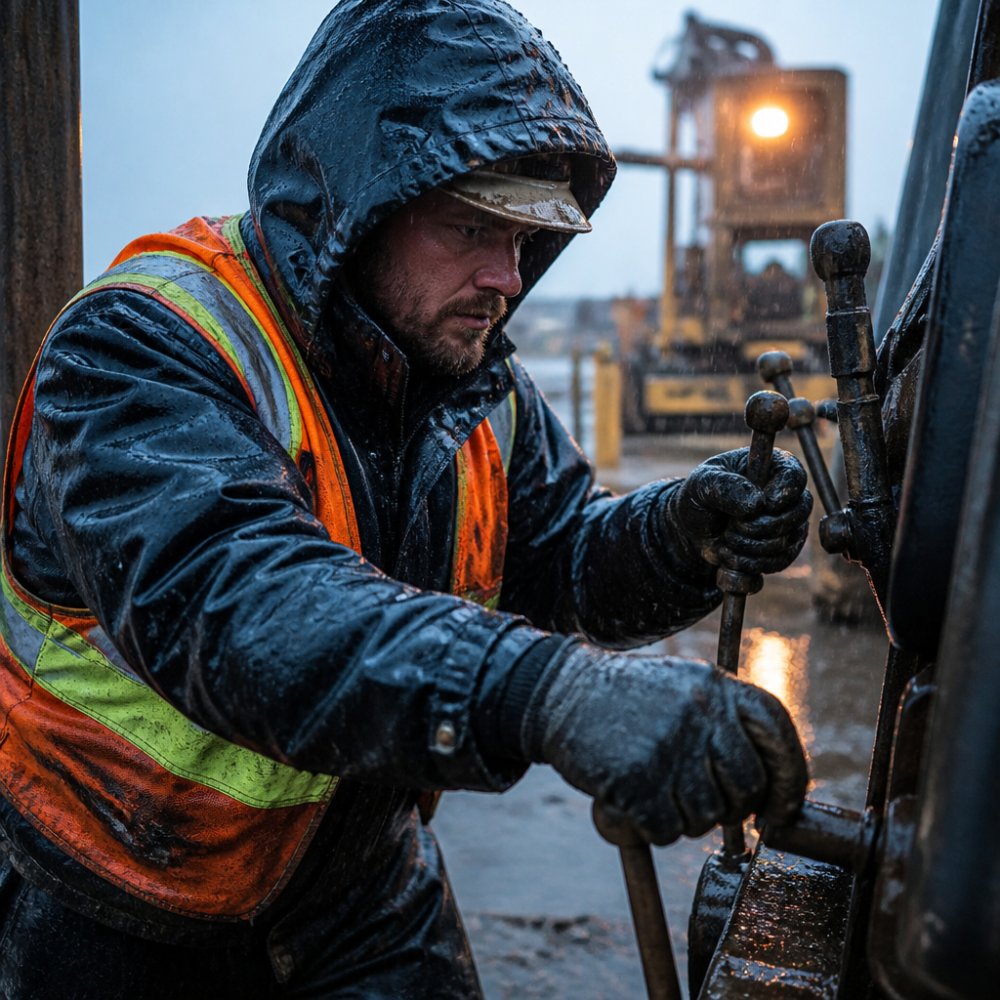
Different work demands different priorities. A commuter needs touchscreen compatibility and lightweight warmth. A maritime worker needs maximum waterproofing and durability. Someone with Raynaud's syndrome needs consistent heat delivery. An outdoor machinery operator needs grip and dexterity above all else.
| Feature | Why It Matters | What to Look For |
|---|---|---|
| Waterproof rating | Keeps hands dry in sustained moisture | 10,000mm water column minimum |
| Breathability | Prevents clammy hands during activity | 10,000g MVTR or higher |
| Heat settings | Lets you adjust for temperature and activity | 3+ thermostat levels |
| Battery life | Ensures warmth lasts through your work | 8+ hours minimum |
| Grip material | Maintains control in wet conditions | Silicone or nitrile rated for cold |
| Cuff design | Prevents water running down wrist | Extended cuff with seal |
| Dexterity | Allows precise hand control | Slim fit, targeted padding only |
Frequently Asked Questions
Are there truly waterproof gloves that also breathe?
Yes. Waterproof breathable gloves use specialised membranes or coatings that block water ingress whilst allowing moisture vapour to escape. This prevents the clammy feeling of trapped sweat. Look for gloves rated at 10,000mm water pressure resistance and 10,000g breathability rating. Mind Smart's rechargeable heated gloves combine both properties, making them effective for prolonged outdoor work in wet conditions without compromising hand comfort.
What is the difference between water-resistant and waterproof work gloves?
Water-resistant gloves repel moisture temporarily but will eventually allow water through under sustained pressure or immersion. Waterproof gloves have a sealed barrier that prevents water penetration even when submerged. For outdoor work in rain, snow, or wet environments, waterproof gloves offer superior protection.
Can waterproof breathable gloves help with Raynaud's disease during outdoor work?
Waterproof breathable gloves protect hands from cold and moisture, two major Raynaud's triggers. Heated gloves like Mind Smart's model go further by actively warming hands to -38°C, improving circulation and reducing symptoms. The combination of thermal insulation, moisture control, and active heat delivery makes them particularly effective for outdoor workers managing Raynaud's, allowing continued work without pain or numbness.
How do I maintain breathability in my waterproof work gloves over time?
Clean gloves regularly with mild soap and water to remove salt, dirt, and debris that clog breathable membranes. Dry thoroughly before storage. Avoid harsh chemicals or high heat, which can damage waterproof coatings. Store in a cool, dry place away from direct sunlight. Rechargeable models like Mind Smart's should have batteries checked annually for optimal performance.


Leave a comment
This site is protected by hCaptcha and the hCaptcha Privacy Policy and Terms of Service apply.