

Table of Contents
- Why Hand Dexterity Suffers in Cold Weather
- Choose Gloves That Balance Warmth and Dexterity
- Hand Exercises for Stiffness in Cold Weather
- Heated Gloves for Cold Hands
- Insulate Your Core and Head to Support Hand Warmth
- Winter Hand Care for Dry Skin
- Step-by-Step Routine for Different Winter Conditions
- Warning Signs: When to Seek Help
- Frequently Asked Questions
Last Updated: October 11, 2026
Why Hand Dexterity Suffers in Cold Weather
Cold narrows blood vessels, reducing blood flow to your fingertips. Your muscles stiffen and nerves slow down, causing a loss of fine motor control.
Some people suffer more than others. Raynaud's syndrome causes blood vessels to clamp down, numbing fingers within minutes. Arthritis worsens in cold. For outdoor workers and winter sports enthusiasts, loss of hand dexterity in winter is a safety issue.
You can fight back. Maintaining hand dexterity in winter requires three steps: keep hands warm, keep them moving, and protect them from moisture.
Choose Gloves That Balance Warmth and Dexterity
Most people choose gloves wrong, either warmth or dexterity, not both. Thick mittens trap heat but reduce control; thin gloves preserve grip but freeze your fingers.
Choose gloves with snug fit, thin insulation, and breathable material.
Fit and Finger Mobility
A loose glove lets heat escape and kills tactile control. A proper fit sits snug against your palm and fingers without restricting circulation.
Measure glove size by palm width, not hand length. Palm width determines grip circumference, which matters for dexterity.
Test finger mobility: bend fingers fully, pinch thumb and index finger, hold a pen, flex wrists. If any feel restricted, the glove is too thick or tight.
Layering Liner Gloves with Shells
Layer a lightweight liner glove (merino wool or synthetic) under a waterproof shell. The gap between layers traps warm air while the liner wicks moisture and the shell blocks wind and rain.
Remove the shell for fine work while keeping the liner on for warmth.
Hand Exercises for Stiffness in Cold Weather
Movement matters as much as warmth. Cold stiffens muscles and slows nerve signals, so you must move your hands actively to maintain circulation.
Every 15-20 minutes, do activation exercises: finger flexion (10 reps), wrist circles (10 each direction), finger taps (20 per finger), and grip squeezes (10 reps). These force blood into your hands and keep your nervous system engaged.
Mobility Routines to Preserve Fine Motor Skills
Fine motor skills degrade fast in cold. If your work requires precision, you need a dedicated routine.
Before work: warm up (5 min), activate with slow task movements (2 min), then start work. During work, take movement breaks every 30 minutes to maintain circulation.
Task-Specific Dexterity Drills
Match drills to your task: grip strength (squeeze 3×15), finger speed (30 taps per finger), coordination (move small objects), or sustained grip (30-sec holds, 5 reps). Do before work and during breaks.
Heated Gloves for Cold Hands
Heated gloves maintain warmth without bulk. The Mind Smart Rechargeable Heated Gloves use thermotherapy to deliver consistent warmth with watertight, thin heating elements. They work down to -35°C.
How Thermotherapy Supports Circulation
Heat improves blood flow by dilating vessels and speeding nerve signals. For Raynaud's syndrome, heated gloves prevent vessel clamp-down. For arthritis, warmth reduces stiffness and pain, especially combined with movement.
Selecting the Right Heat Settings
Heated gloves typically offer 3 heat settings. Start low and adjust based on how you feel.
- Low setting: Maintains baseline warmth. Use this for mild cold or when you're active and generating body heat.
- Medium setting: Provides steady warmth without overheating. This is the best choice for most outdoor work.
- High setting: Maximum heat output. Use this for extreme cold or when you're sitting still.
Don't stay on high heat all day. You'll overheat, sweat, and then chill when you cool down. Instead, adjust the setting as conditions change. If you're moving around, use low or medium. If you're standing still or working in extreme cold, use medium or high.
The Mind Smart gloves use a push-button thermostat control, so you can adjust heat easily without removing your gloves. This means you can fine-tune warmth throughout the day without stopping work.
Insulate Your Core and Head to Support Hand Warmth
Your hands are the first place your body sacrifices heat when you get cold.
To keep your hands warm, you need to keep your core warm first. This is counterintuitive but crucial.
Mind Smart Rechargeable Heated Gloves →
Wear a warm jacket that fits properly. A loose jacket lets wind in. A tight jacket restricts movement.
Wear a hat. You lose a huge amount of heat through your head.
Wear a neck gaiter or scarf. Cold air hitting your neck triggers your body's cold response.
When your core is warm, your body maintains better circulation to your hands naturally.
Winter Hand Care for Dry Skin
Cold air is dry air. Winter humidity is low. Your skin loses moisture fast. Dry skin cracks. Cracks hurt.
Keep your hands moisturised. Apply a thick hand cream or balm every time you come inside from cold weather.
When your hands are very dry or cracked, apply moisturiser before bed and wear cotton gloves overnight.
If you're wearing gloves all day, apply moisturiser before you put them on.
Avoid washing your hands in very hot water, it strips natural oils. Use warm water and a gentle soap. Pat dry rather than rubbing.
Step-by-Step Routine for Different Winter Conditions
The routine you follow depends on how cold it is and what you're doing. Here are three scenarios with specific protocols.
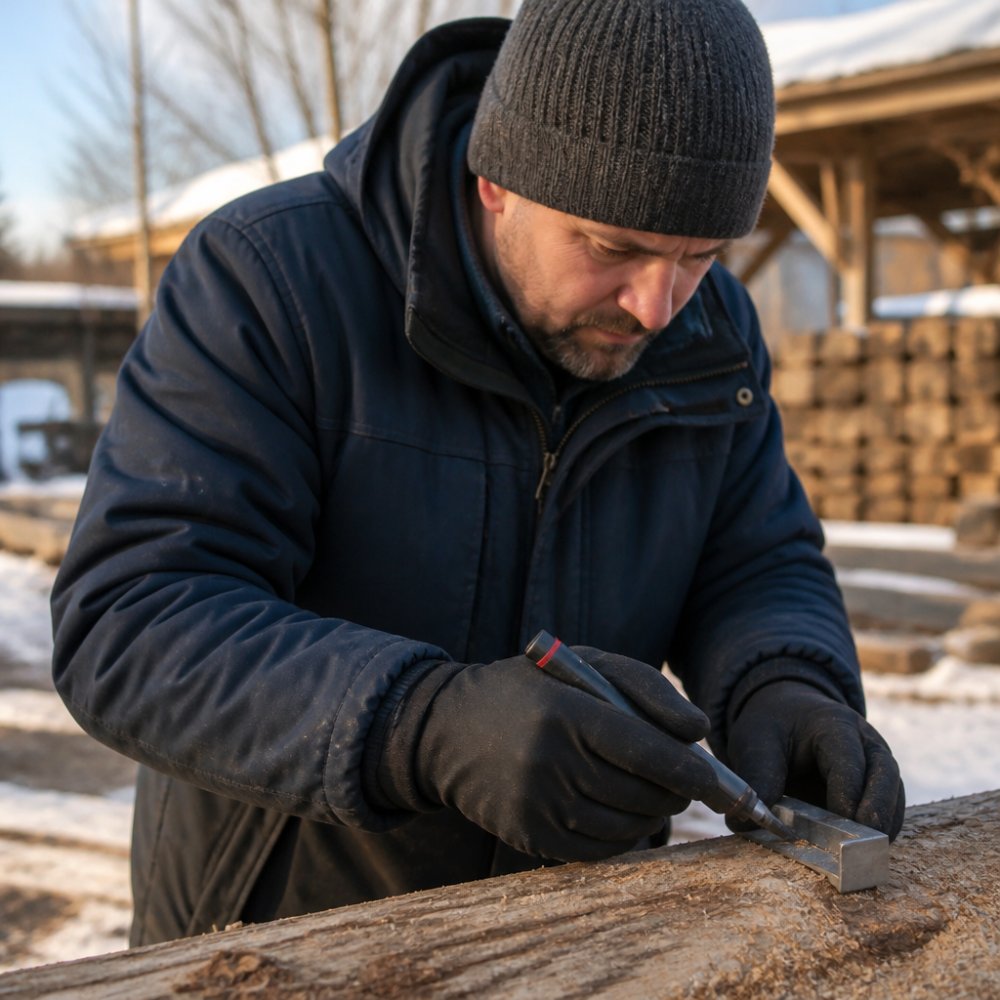
Moderate Cold and Damp Conditions
Temperature range: 0°C to -10°C. You're active, walking, light outdoor work, or winter sports.
- Before you go out (5 minutes): Moisturise your hands. Put on a thin liner glove. Put on your outer glove or mitten. Check that everything fits snugly.
- Warm-up phase (5 minutes): Do finger flexion, wrist circles, and grip squeezes. Your hands should feel warm and responsive before you start your activity.
- During activity: Move continuously. Every 20 minutes, pause and do 2 minutes of hand exercises. This maintains circulation and dexterity.
- If using heated gloves: Keep them on low or medium setting. You're generating body heat from activity, so you don't need maximum heat.
- When you come inside: Remove your gloves immediately. Dry your hands. Apply moisturiser. Let your hands warm up gradually, don't plunge them into hot water.
Extreme Cold and Wet Environments
Temperature range: below -15°C or wet conditions. You're outdoors for extended periods or working in harsh weather.
- Before you go out (10 minutes): Moisturise your hands thoroughly. Put on a thin liner glove. Put on heated gloves and turn them on. Let them warm up for 2 minutes before you go outside. Check that all closures are secure so water can't get in.
- Warm-up phase (5 minutes): Do hand exercises to activate your circulation. Your heated gloves are already providing warmth, so this is about maintaining nerve function.
- During work: Keep heated gloves on medium or high setting. Every 15 minutes, do 1 minute of hand exercises. This is critical in extreme cold, movement prevents stiffness even when you're warm.
- Moisture management: Check your gloves every 30 minutes. If water has gotten inside, change into dry gloves immediately. Wet hands lose heat 25 times faster than dry hands.
- When you come inside: Remove your gloves and dry your hands immediately. Apply moisturiser. Charge your heated gloves for the next use.
The Mind Smart Rechargeable Heated Gloves are waterproof and breathable, which means they handle wet conditions exceptionally well. The watertight heating elements don't fail if water gets on them, and the breathable fabric prevents sweat buildup that would otherwise chill you when you cool down.
Outdoor Work and Machinery Operation
You need dexterity plus warmth. This is the hardest scenario because you can't just wear thick gloves and lose precision.
- Before work (10 minutes): Moisturise your hands. Put on a thin liner glove. Put on heated gloves. Turn them on and let them warm up. Do hand exercises to activate fine motor control.
- Work phase: Keep heated gloves on low or medium setting. You want enough heat to maintain circulation without overheating, which would cause sweating and then chilling.
- Dexterity maintenance: Every 30 minutes, take a 2-minute break. Remove your outer gloves (keep the liner on). Do task-specific dexterity drills, grip squeezes, finger taps, coordination exercises. Put your outer gloves back on.
- Grip and control: The Mind Smart gloves have a durable silicone grip on the palm and fingers, which means you maintain tactile control even when wearing them. This is essential for machinery operation.
- Touchscreen use: If you need to use a phone or tablet, the gloves are touchscreen compatible. You can operate your device without removing your gloves, which means your hands stay warm and protected.
Warning Signs: When to Seek Help
Most hand coldness in winter is normal. But some signs indicate a problem that needs medical attention.
Seek help if you experience:
- Persistent numbness: Numbness that doesn't go away after 30 minutes of warming your hands
- Colour changes: Fingers turning white, then blue, then red when rewarming (this is Raynaud's syndrome, see a GP)
- Severe pain during rewarming: Sharp, burning pain when your hands warm up after being cold
- Blisters or sores: Unexplained blisters, sores, or ulcers on your hands or fingers
- Loss of function: Weakness or loss of grip strength that doesn't improve with warming
- Skin changes: Skin becoming thick, shiny, or discoloured permanently
These signs can indicate frostbite, Raynaud's syndrome, or other conditions that need medical assessment. See your GP if any of these occur.
For people with existing Raynaud's or arthritis, heated gloves are often an effective way to manage symptoms. However, if your symptoms are severe or getting worse, talk to your healthcare provider about your options.
Maintaining hand dexterity in winter isn't about choosing between warmth and function, it's about having both. Pair them with the hand exercises and layering strategies covered here, and you'll keep your hands warm, responsive, and ready for whatever winter demands. Shop Mind Smart heated gloves today and experience the difference that genuine thermotherapy makes.

Frequently Asked Questions
How can I maintain hand dexterity when my hands get cold and stiff?
Cold reduces blood flow to your hands, slowing nerve signals and stiffening muscles. To maintain dexterity, combine three strategies: wear fitted gloves that don't restrict finger movement, perform regular hand exercises to keep circulation active, and use heated gloves to maintain core hand warmth. Heated gloves for cold hands are particularly effective because they restore blood flow while you work, preventing the stiffness that makes fine motor tasks difficult. Practise finger mobility exercises every 15-20 minutes during outdoor work.
Do hand warmers or heated gloves actually help with dexterity, or are they just for comfort?
Hand warmers and heated gloves do more than provide comfort; they actively preserve dexterity by maintaining circulation. When hands warm up, nerve conduction speeds up, allowing faster, more precise finger movement. Heated gloves are superior to passive hand warmers because they deliver consistent, controlled heat directly to your palms and fingertips without bulking up your hands. The Mind Smart Rechargeable Heated Gloves maintain warmth with a slim profile that preserves your ability to grip tools and operate machinery, even in temperatures down to -35°C.
Why do my hands get so dry in winter, and does that affect dexterity?
Cold air reduces moisture in your skin, and heated environments indoors dry skin further. Dry skin loses elasticity and becomes stiff, which impairs fine motor control. To combat this, apply a moisturiser before bed and use a barrier cream on your hands before outdoor exposure. Winter hand care for dry skin also means avoiding frequent hand washing in hot water outdoors; instead, use a damp cloth and dry thoroughly. Keeping your hands moisturised helps maintain skin flexibility, which supports better grip and finger mobility even in cold conditions.
What should I do if my hands stay numb or painful even with warm gloves?
Persistent numbness or pain despite warming efforts may indicate Raynaud's syndrome, early frostbite, or reduced circulation requiring medical attention. If your hands remain numb for more than 30 minutes after warming, if you notice colour changes (white, blue, or red patches), or if pain increases when hands warm up, contact your GP. These can be warning signs of conditions like Raynaud's disease that need professional assessment. Do not ignore severe cold-related symptoms; early intervention prevents long-term damage to your hands.


Leave a comment
This site is protected by hCaptcha and the hCaptcha Privacy Policy and Terms of Service apply.