
Table of Contents
- The Verdict: Are Rechargeable Heated Gloves Worth the Investment?
- Warmth and Heating Performance: What You Actually Get
- Battery Life, Runtime, and Real-World Longevity
- Heated Gloves Versus Traditional Insulated Gloves: When to Choose Each
- Heated Gloves vs Mittens: Dexterity, Warmth, and Practical Differences
- Heated Glove Liners vs Heated Gloves: Which Offers Better Value?
- Heated Gloves Safety: Risks, Precautions, and What the Evidence Shows
- Total Cost of Ownership: Initial Price Versus Long-Term Value
- Frequently Asked Questions
Last Updated: October 5, 2026
The Verdict: Are Rechargeable Heated Gloves Worth the Investment?
Whether rechargeable heated gloves are worth it depends entirely on your use case, climate, and how often you're outdoors in cold conditions. For someone with Raynaud's syndrome working in freezing temperatures, they're genuinely life-changing. For a casual commuter who steps outside for five minutes, traditional insulated gloves will do the job at a fraction of the cost.
The real question isn't whether rechargeable heated gloves work, they do. It's whether the added expense, battery management, and maintenance justify the benefits for your specific situation. We've analysed the key factors that determine value, and we'll walk you through exactly how to decide if they're right for you.
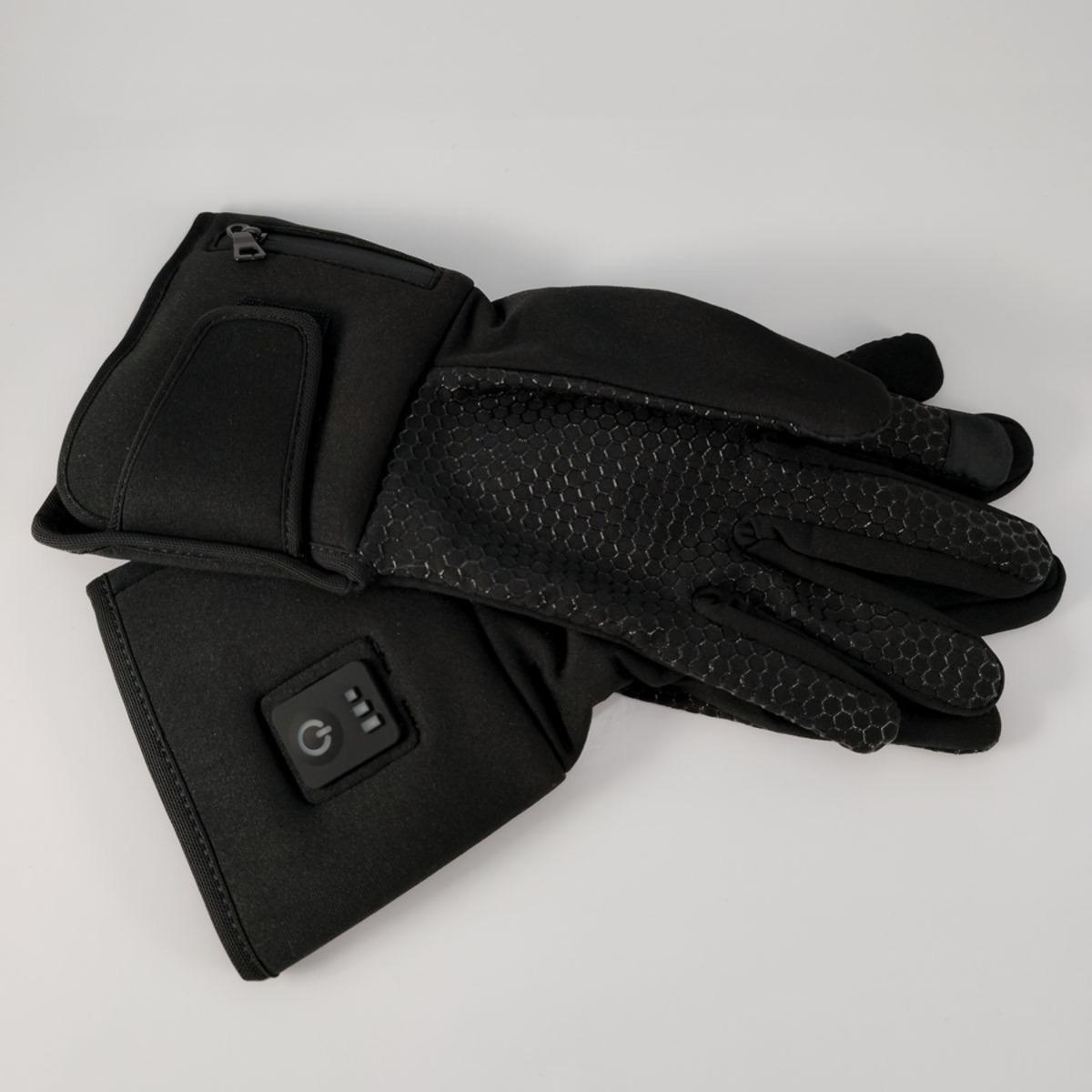
The Mind Smart Rechargeable Heated Gloves represent the technology at its best: up to 12 hours of continuous warmth, three adjustable heat settings, and a slim profile that doesn't sacrifice dexterity. But at £89.99, they're a serious investment. Below, we'll show you exactly what you're paying for and whether it makes financial sense for your circumstances.
Warmth and Heating Performance: What You Actually Get
Heated gloves deliver genuine warmth through integrated heating elements powered by rechargeable batteries. The heating area covers the full hand and fingertips, which is crucial, traditional gloves leave your fingertips vulnerable to cold, which is where most hand pain originates.
The Mind Smart gloves use thermostat-controlled heat with three adjustable settings, allowing you to dial in exactly the warmth you need. This matters more than you'd think. On the highest setting, you get maximum warmth but drain the battery faster. On a lower setting, you preserve battery life while still maintaining comfort. The flexibility lets you adapt to changing conditions throughout the day.

What separates effective heated gloves from mediocre ones is consistent heat distribution. The watertight heating elements in quality gloves maintain steady warmth across the hand without hot spots or dead zones.
The heating performance also depends on your isolation layer. Heated gloves work by generating warmth; they still need decent insulation to trap that heat and prevent it from radiating away. The combination of the heating elements plus the waterproof and breathable fabric is what creates the thermal advantage over traditional gloves.
Battery Life, Runtime, and Real-World Longevity
Here's where the conversation gets practical. The Mind Smart gloves deliver up to 12 hours of continuous warmth on a full charge. That's the headline figure. Real-world runtime depends on which heat setting you're using and the ambient temperature.
Maximum heat setting will run closer to 4-6 hours depending on battery age and cold intensity. This is important because many people buy heated gloves expecting the advertised runtime, then use them on maximum heat and feel disappointed when they need recharging after a single workday.
Battery degradation is real. Rechargeable lithium batteries lose capacity over time, typically 10-15% per year with regular use. After two years, you're looking at roughly 70-80% of original capacity. After three years, you might see 50-60%.
For professionals working full shifts in extreme cold, trawlermen, outdoor machinery operators, cold storage workers, this battery degradation is a genuine cost consideration. You're either replacing batteries periodically or replacing the entire glove.
For occasional users, battery degradation matters less. If you wear heated gloves once or twice a week during winter, the battery will still perform well after 18 months. If you're using them daily in extreme conditions, you'll notice the decline within a year.
Heated Gloves Versus Traditional Insulated Gloves: When to Choose Each
This is the core value question. Traditional insulated gloves, wool, down, fleece, trap your body heat. They're passive. Heated gloves actively generate warmth. That's a fundamental difference.
Traditional gloves work fine for moderate cold (above -10°C) if you're moving around and generating body heat. They're cheaper, require no charging, and last longer without maintenance.
Heated gloves dominate in three specific scenarios:
First, prolonged exposure to extreme cold where traditional gloves fail. Working outdoors for eight hours in -25°C conditions will eventually overcome any passive insulation. Your hands will get cold. Heated gloves prevent this entirely.
Second, medical conditions affecting circulation. Raynaud's syndrome causes blood vessels to constrict in response to cold, cutting off warmth to the fingers. Traditional gloves can't overcome this physiological response.
Third, situations requiring dexterity in cold conditions. Machinery operators, outdoor tradespeople, and winter sports enthusiasts need functional hands. The slim, low-profile design of quality heated gloves, like the Mind Smart gloves, preserves dexterity while providing superior warmth.
If you're outdoors for short periods in moderate cold, traditional gloves are the rational choice.

Heated Gloves vs Mittens: Dexterity, Warmth, and Practical Differences
Mittens are warmer than gloves because they group your fingers together, reducing surface area and heat loss. But that warmth comes at a cost: you lose individual finger control. You cannot operate a phone, grip a tool, or perform precise tasks while wearing mittens.
Heated gloves solve this trade-off. By actively generating warmth, they can match or exceed mitten-level thermal protection while preserving full finger dexterity. This is why they're superior for any work requiring hand function.
The Mind Smart gloves use an ultra-thin construction that preserves manual dexterity crucial for handling tools, sports equipment, or machinery. You can use a touchscreen without removing them, which matters for anyone checking messages, taking calls, or using GPS during outdoor activities.
Mittens remain the better choice only if warmth is your sole priority and you don't need your hands for anything else. For virtually any practical outdoor activity, heated gloves outperform mittens because they eliminate the dexterity penalty.
The touchscreen compatibility is worth emphasising. Many heated gloves don't work with touchscreens, forcing you to remove them to use your phone.
Mind Smart Rechargeable Heated Gloves →
Heated Glove Liners vs Heated Gloves: Which Offers Better Value?
Heated glove liners are thin, lightweight layers designed to wear under traditional gloves. They're cheaper than full heated gloves and take up less space. The trade-off is obvious: they're less powerful and less durable than dedicated heated gloves.
Liners work best as a layering solution for moderate cold. You wear them under your regular gloves, getting supplemental warmth without the bulk or cost of full heated gloves. They're useful for commuters or people who want heated glove capability without the investment.
Full heated gloves like the Mind Smart model deliver superior warmth because the heating elements are integrated directly into the glove structure.
For serious cold exposure or professional work, full heated gloves are the better investment. For occasional use or supplemental warmth, liners offer better value. The choice depends on your use intensity and budget.
If you're considering a heated glove liner, ask yourself: would you actually wear it regularly, or would you prefer a single integrated solution? Most people find that one good pair of heated gloves is more practical than managing liners and traditional gloves as separate pieces.
Heated Gloves Safety: Risks, Precautions, and What the Evidence Shows
Heated gloves carry genuine safety considerations that deserve attention. The primary risks involve skin irritation from prolonged direct heat exposure and battery-related hazards.
Skin irritation and dermatitis can develop from extended heat exposure, particularly for people with sensitive skin or existing conditions like eczema. The heating elements themselves don't cause burns at normal operating temperatures, but wearing heated gloves continuously for eight-hour shifts without breaks can irritate skin.
Moisture management is critical. If your hands sweat inside heated gloves and you don't allow them to dry, you create an environment for fungal or bacterial growth.
Battery safety is straightforward: use the manufacturer's recommended charger, don't expose batteries to extreme heat, and avoid physical damage to the battery pack. The Mind Smart Direct USB Power Extension Cable (£24.99) and Battery Charging Extension Cable (£20.99) are designed specifically for safe charging in field conditions, which reduces the risk of using incompatible chargers.

The real safety advantage of heated gloves comes from preventing cold-related injury. For people with Raynaud's or working in extreme cold, the ability to maintain hand warmth prevents frostbite, which is a genuine medical emergency. In this context, heated gloves reduce risk rather than increase it.
Total Cost of Ownership: Initial Price Versus Long-Term Value
The Mind Smart Rechargeable Heated Gloves cost £89.99. That's the entry point. But total cost of ownership includes several other factors.
Battery replacement becomes relevant after 2-3 years of regular use. Depending on your usage pattern, you might need replacement batteries or a new pair of gloves.
Supporting accessories add cost.
A complete system, gloves, power bank, and extension cable, costs roughly £147. Spread over two years of regular use, that's approximately £73 per year, or £1.40 per week.
Compare this to traditional gloves: a quality pair costs £30-50 and lasts one season (4-5 months of heavy use). Over two years, you'd buy 4-5 pairs, spending £120-250.
The value calculation shifts dramatically based on your use case:
| Use Case | Annual Cost | Heated Gloves Value |
|---|---|---|
| Casual (1-2 times weekly) | £45/year | Moderate, nice-to-have |
| Regular (3-5 times weekly) | £70/year | Strong, clear cost advantage |
| Professional (daily use) | £95/year | Excellent, essential investment |
| Raynaud's sufferer | £70/year | Exceptional, medical necessity |
For professionals and people with circulation conditions, the cost is justified.
The durability of the gloves themselves matters. The Mind Smart gloves are field-tested by trawlermen working in extreme North Sea conditions, which speaks to their durability.
Rechargeable heated gloves are worth the investment if you work outdoors in extreme cold, have circulation issues like Raynaud's, or need functional hands in freezing conditions.
Frequently Asked Questions
How long do rechargeable heated gloves actually stay warm on a single charge?
Runtime depends on heat setting and battery capacity. Mind Smart Rechargeable Heated Gloves deliver up to 12 hours of continuous warmth, though actual duration varies by setting. Higher heat settings drain batteries faster; lower settings extend runtime significantly. Real-world performance in extreme cold (below -20°C) may reduce runtime by 10-20% due to increased battery resistance. For extended shifts, pairing gloves with a power bank like the Mind Smart Portable Power Bank (£32.99) allows continuous operation without waiting for battery recharge.
Are rechargeable heated gloves safe to wear for extended periods?
Heated gloves are generally safe when used correctly, but prolonged direct heat exposure can cause skin irritation, dryness, or thermal discomfort. Limit continuous wear to 2-3 hour intervals, then allow skin to cool. Avoid wearing heated gloves with wet hands or over damp skin, as moisture accelerates heat transfer and increases irritation risk. Quality models with thermostat control and breathable fabric (like Mind Smart's 10,000mm waterproof rating) minimise overheating risk compared to fixed-heat alternatives.
Will rechargeable heated gloves help if I have Raynaud's syndrome or arthritis?
Yes, heated gloves provide meaningful relief for both conditions. Raynaud's sufferers benefit from consistent external warmth that triggers vasodilation and restores circulation to affected fingers. Arthritis patients experience reduced joint stiffness and pain through heat therapy, which improves mobility and grip strength. Mind Smart gloves are specifically engineered for these conditions, with full-hand and fingertip heating coverage and ultra-thin construction that preserves dexterity. However, results vary by individual severity.
How do heated gloves compare to disposable hand warmers or traditional insulated gloves?
Disposable warmers cost less upfront (typically £1-3 per pair) but become expensive over regular use and create waste. Heated gloves cost more initially (£89.99 for Mind Smart) but eliminate ongoing consumable costs. Traditional insulated gloves offer no active heating, so they're suitable only for mild cold; heated gloves work in extreme conditions (-35°C and below). Heated gloves provide adjustable warmth through heat settings, whereas passive insulation offers fixed protection. For occasional winter use, insulated gloves suffice; for regular outdoor work, cold-weather sports, or medical conditions like Raynaud's, rechargeable heated gloves deliver superior long-term value and performance.
Do heated gloves actually work through the material for touchscreen use?
Yes, but effectiveness depends on glove design. Mind Smart Rechargeable Heated Gloves are touchscreen compatible, allowing phone use without removal. In practice, touchscreen use works reliably for basic tasks (unlocking, texting) but may be slower or less precise than bare-finger use.



Leave a comment
This site is protected by hCaptcha and the hCaptcha Privacy Policy and Terms of Service apply.